BBQ for Beginners: Everything You Wish Someone Had Told You Earlier
Most people remember their first real attempt at grilling. The coals that took forever to light, the chicken that looked done on the outside but wasn't anywhere close, the moment you realized you had no idea what you were doing — and everyone was watching.
It's a universal experience. And it's completely unnecessary if someone just walks you through the basics before you start.
This is that conversation.
Start With the Right Type of Grill
Before you think about recipes or techniques, you need to pick the right tool. For beginners, this decision matters more than most people realize, because different grill types have completely different learning curves.
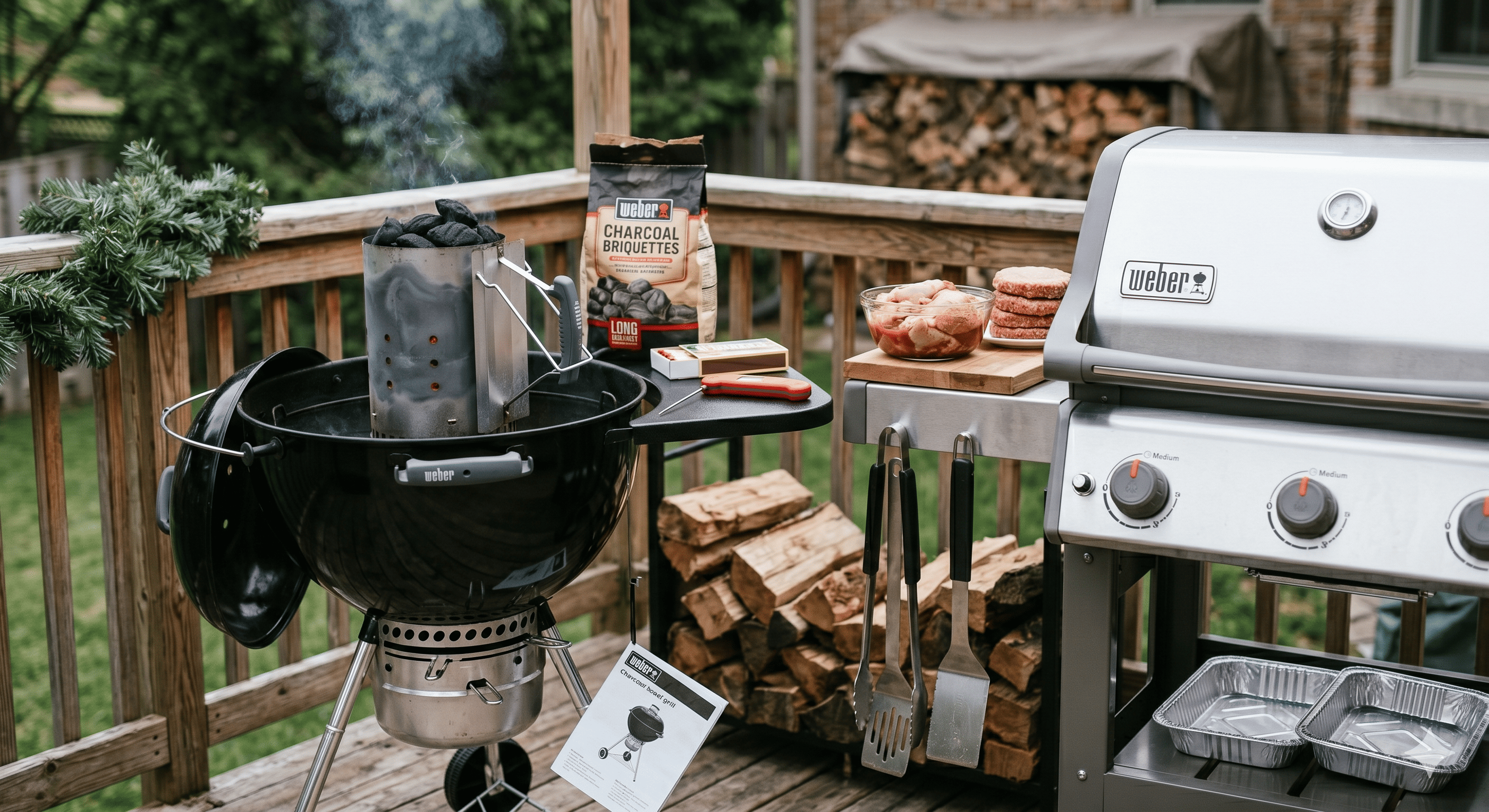
Gas grills are the most forgiving place to start. You turn a knob, push a button, and you have fire. Temperature is consistent, adjustable, and predictable. The Weber Spirit II E-310 is practically designed for people who are just getting started — three burners, solid build quality, and enough space to cook a full meal without feeling cramped. You'll have reliable results from your first cook.
If you want to go the charcoal route because you've heard the flavor is better (it is), just know that it requires more patience and practice. The Weber Kettle is the most recommended beginner charcoal grill for a reason. It's simple, it's durable, and there's so much free guidance available on how to use it that you'll never feel like you're figuring it out alone. The learning curve is real, but it's also genuinely satisfying once it clicks.
Understand Heat Before You Touch the Food
The single biggest mistake beginners make isn't the seasoning or the timing — it's not understanding heat zones.
Every grill, whether it runs on gas, charcoal, or pellets, works best when you divide it into two cooking zones: a hot side for direct heat and a cooler side for indirect heat. Direct heat is for searing, crust development, and finishing. Indirect heat is for cooking through without burning the outside.
Chicken thighs are a perfect example. They need time to cook all the way through, but if you leave them over direct heat the whole time, the skin burns before the meat is safe to eat. Start them indirect, let the inside come up to temperature, then move them to direct heat for the last few minutes to crisp the skin. That simple two-step process is the foundation of almost everything you'll ever cook on a grill.
Once you understand this, you stop panicking when things aren't cooking evenly. You just move them.
The Tools That Actually Matter
You don't need much. The grill industry loves to sell accessories, but honestly, a beginner needs about four things:
A good instant-read thermometer is non-negotiable. Forget the finger-poke test and forget guessing by color. A thermometer tells you exactly when something is done, which means you stop overcooking food out of fear and stop undercooking it out of impatience. It's the single best investment you can make as a new griller.
A pair of long-handled tongs gives you control without putting your arms over the flame. Spatulas are for flat things like burgers and fish. Tongs handle everything else.
A grill brush or scraper keeps your grates clean, which prevents sticking and makes your food taste better. Clean it while it's still warm — it takes ten seconds and saves you a real chore later.
A chimney starter is essential if you go the charcoal route. It lights coals evenly and quickly without lighter fluid, which leaves a chemical taste on your food. Using a chimney starter is the single fastest way to level up your charcoal game.
The Best Beginner Grills Worth Considering
Beyond the Weber options mentioned above, a few others stand out for people who are just getting started.
The Char-Broil Performance 4-Burner is an accessible gas grill that gives you room to experiment without a serious investment. It runs hot, heats evenly, and is easy to clean. A solid first grill.
For anyone curious about pellet grills from the start, the Pit Boss 700 Classic is a great entry point. Pellet grills are arguably the most beginner-friendly option of all because the grill manages its own temperature automatically. You set a number and it holds it. There's less to think about, which lets you focus entirely on the food.
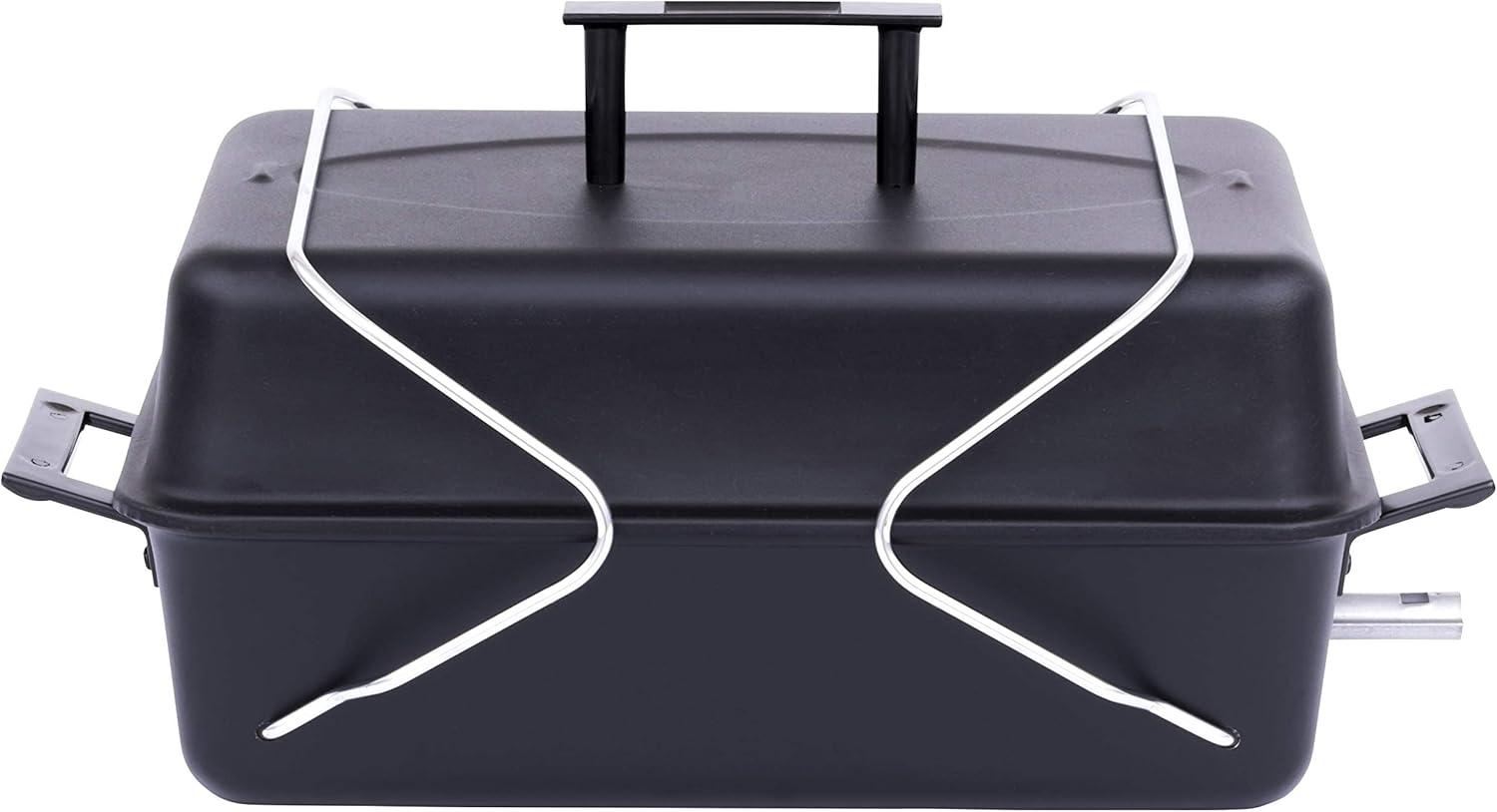
If budget is a real concern, the Weber Smokey Joe is a small charcoal grill that teaches you everything you need to know about fire management in a compact, inexpensive package. It's not built for feeding a crowd, but for learning the fundamentals, nothing beats it.
What Nobody Tells You About the First Few Cooks
Your first few cooks are going to be learning experiences, not masterpieces. Accept that now and take the pressure off yourself. The goal isn't perfection — the goal is understanding what happened and doing it slightly better next time.
Cook chicken thighs before breasts. They're more forgiving and harder to dry out. Cook burgers before steaks. They're faster, cheaper, and give you good practice with direct heat. Do one thing at a time until you feel comfortable, then start adding complexity.
Also: don't walk away. Grilling rewards attention. A two-minute distraction at the wrong moment is the difference between a beautiful crust and a carbon disc. Stay present, stay curious, and don't be afraid to make mistakes.
Every great backyard cook started exactly where you are now.